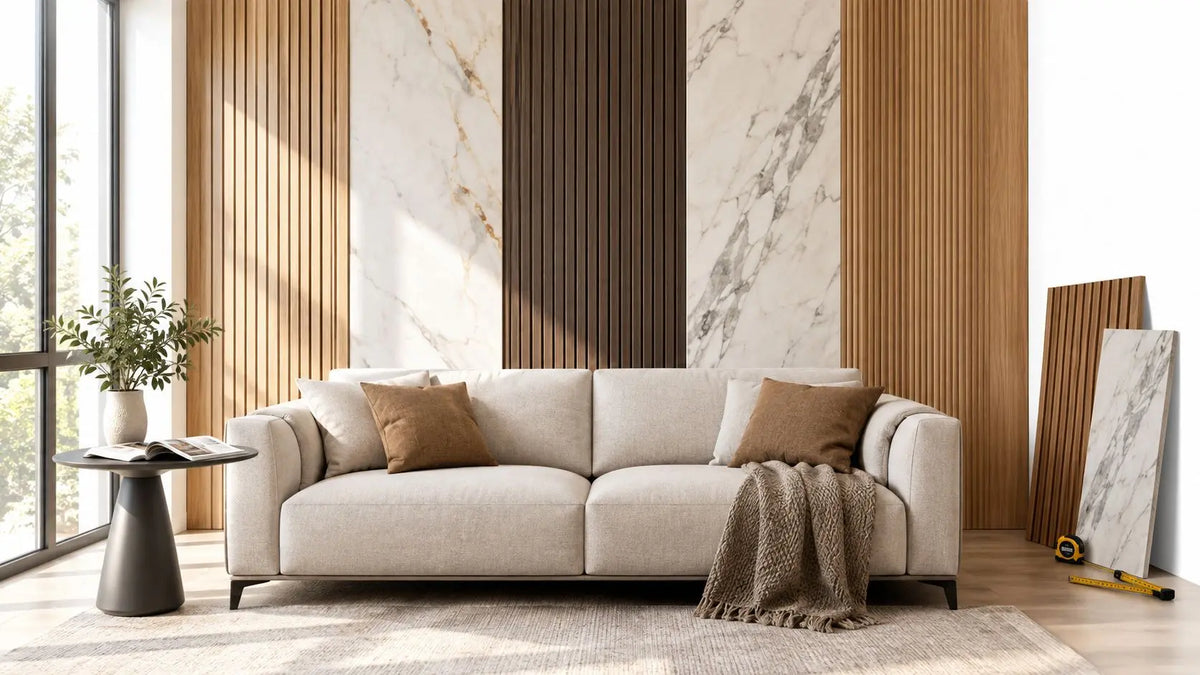
In a living room, the right wall panel for the living room is not chosen first by eye, but in relation to the wall, the light and the actual use of the room. A panel can create a very clean background behind a sofa or a TV unit, but it can also visually weight a space that is too narrow if the format, the finish or the placement are poorly thought out. In practice, the right choice starts with a simple question: which wall should become the focal point without complicating circulation or maintenance.
Define the location and proportions of the accent wall
The accent wall works best when it fits the logic of the room, not when it contradicts it. In a living room, the wall behind the sofa or behind the TV unit is often the most readable, because it structures the main visual axis without obstructing passages. A textured or decorative solution attracts attention, but it must remain coherent with the width of the wall, the ceiling height and the amount of furniture already present.
Read the light before choosing the finish
Natural light greatly changes the perception of a wall panel for the living room. A glossy finish enhances reflections and gives more presence to a surface, whereas a matte finish absorbs the gaze more and blends more easily into a sober ensemble. In a very glazed living room, texture becomes more readable, but finishes that are too smooth can also highlight installation imperfections.
Practical rule: the more direct light the wall receives, the more you should think about the actual rendering of the material before being guided by a product photo.
Artificial lighting matters as much. A spotlight directed at a relief panel can create a strong architectural effect, whereas grazing light on a very glossy surface can become tiring. On an accent wall, the right question is therefore not only “which style pleases”, but “what rendering will remain pleasant in the evening, when the living room is used daily”.
Adapt the format to the geometry of the room
A large bare wall more easily accepts a panoramic covering or a set of repeated panels. Conversely, a more compact living room often benefits from leaving part of the wall free to avoid a mass effect. A good guideline is to let the edges of the wall breathe and concentrate the material where the eye should fall: behind a sofa, around a low unit or on the TV area.
Current trends lean toward more textured and more personalized surfaces, but that is not a reason to cover the entire wall. The most useful remains a readable accent wall, with clear proportions and a finish adapted to the real volume of the room. In a living room with a low ceiling, an overly loaded treatment draws the eye downward and can visually reduce the height.
Distinguish acoustic absorption and wall decoration
A decorative panel changes the look of a wall. An acoustic panel addresses a different issue, that of echo and reverberation in the living room. The distinction is simple, as our guide Reduce noise in your home reminds: decoration acts on the visual rendering, acoustic absorption acts on listening comfort. It does not block outside noises and does not replace true soundproofing.
Choose according to the real problem
If the living room reverberates, the need falls under acoustic treatment. The area to treat and the position of the panels depend on the room volume, the existing materials and the installation configuration. There is no coverage percentage or reverberation reduction guaranteed for all living rooms. For a specific objective, request sizing and test data corresponding to the chosen product.
| Identified problem | Recommended solution | Limit to know |
|---|---|---|
| Marked echo in the living room | Acoustic panel placed on first reflection zones | Corrects reverberation, but does not block outside noises |
| Empty wall with purely decorative effect | Aesthetic wall covering, adhesive or rigid | Does not provide targeted acoustic correction |
| Need for quick renovation with clean finish | Decorative panel adapted to the substrate | The result depends on installation and format, not only on style |
When the need is mixed, priorities must be set. A living room may need a background that is easier to clean, a more decorative wall, or a real acoustic gain. Slatted panels and reliefs give a marked visual effect, but they do not automatically replace useful sizing if the room reverberates. In a very glazed or open-volume living room, the choice of panel type must remain coherent with light, proportions and echo level.
Avoid the false good purchase
A very successful covering can remain neutral acoustically. An absorbing panel can appear more discreet while providing real everyday comfort. To buy just right, the primary criterion remains the dominant function of the wall, not just the color.
A beautiful finish does not fix a reverberant living room, and an acoustic panel does not replace a coherent decorative choice.
Prepare the surface and choose the installation method
Successful installation starts with the condition of the substrate. A wall must be clean, dry, stable and compatible with the chosen system, otherwise the panel ages poorly, peels off or reveals visible defects in the joints. In a living room, the substrates most commonly encountered are plasterboard, existing paint and, depending on the project, preserved tile as a base.
Install according to the product type
The installation method must be confirmed on the chosen product's datasheet. A covering with integrated adhesive requires a compatible, clean and prepared substrate. For the Mat Black acoustic panels 240 × 60 cm, the MPDiscount datasheet provides for bonding with silicone glue or screwing. The choice depends notably on the substrate and the location; a ceiling installation requires checking sizing and fixation compatibility.
For cutouts around sockets, corners and level changes, the layout must be prepared before any fixing. A poorly redone socket is immediately visible, especially on a marble effect or a stretched surface. Installation accessories should be gathered before the work, along with the appropriate cutting and measuring tools. Installation accessories
Check the wall before starting
The painted substrate must be healthy enough to receive the chosen system, without dust or blisters. Existing tile requires particular attention to adhesion, because the smooth surface does not forgive approximate fixing. On plasterboard, cutouts and support points must be anticipated, especially if the wall will host a suspended unit or a technical zone.
Thick acoustic panels, for their part, require a more structured fixation than thin coverings. The right reflex is to read the product datasheet before ordering, then adapt wall preparation to the installation type rather than the opposite. A clean installation depends as much on the substrate as on the panel itself.
Anticipate maintenance and the durability of finishes
A living room is lived in. It receives dust, light rubs, hand marks and sometimes splashes related to daily uses. The most attractive finish in a catalogue is not necessarily the easiest to maintain in a room used every day. The right trade-off rests on ease of wiping, sensitivity to cleaning products and visual durability over time.
Between glossy surface and matte surface
A marble effect or glossy finish is generally cleaned faster, but it also reveals traces of cleaning more if the product used is too aggressive. A matte surface of acoustic panels supports a discreet rendering better, but it can mark differently depending on dust and light. In all cases, it is better to use gentle maintenance, without stripper or abrasive, to preserve the initial aspect.
Areas close to a direct heat source require even more caution. A wall located near a stove, fireplace or another hot spot must be checked product by product, because heat and ambient humidity do not have the same effect depending on the material and the fixation method. The useful reflex remains to consult the technical datasheet before installing a panel on an exposed wall.
Preserve adhesion and appearance
Adhesive surfaces do not tolerate overly wet cleaning or greasy products. A soft cloth, a simple gesture and little pressure suffice in most cases. On a rigid glued panel, the logic is the same: durability depends on a healthy substrate and moderate maintenance.
Point of vigilance: a decorative panel poorly tolerates brutal cleaning, even when its rendering seems robust at first glance.
The checklist before ordering
Before validating a wall panel for the living room, you must check the actual area to cover, not just the width “by eye”. A measuring error is rarely corrected afterwards without a visual break, especially on an accent wall that must remain coherent from edge to edge. The correct method is to measure, then reread the datasheet to confirm exact dimensions, laying direction and packaging.
Check the points that avoid unpleasant surprises
- Measured useful surface: take the wall width and height, then subtract the areas that will not be covered, such as openings or fixed elements.
- Condition of the substrate: check if the wall is flat, healthy, clean and compatible with installation by adhesive, glue or screwing.
- Confirmed installation method: verify the system planned for each reference: integrated adhesive, glue or mechanical fixing.
- Anticipated cutouts: locate sockets, switches, recessed corners and technical outlets before ordering.
- Reading the product datasheet: confirm the exact dimensions, the number of elements per pack and the chosen finish.
For a living room project, a safety margin is important, because a poorly covered accent wall is immediately noticeable. Visual coherence counts as much as quantity purchased. If the wall should also improve acoustic comfort, you must also consider the area to treat and the positioning, not just style.
Think about the final rendering before checkout
A bright living room does not behave like a dark room, and a large free wall is not treated like a narrow decorative strip. The right purchase results from a crossing of proportions, light, daily use and installation method. This check avoids forced compromises once the panels are out of their boxes.
Find inspiration and suitable products
To refine a choice between decorative and acoustic, it remains useful to compare materials according to the room's actual use. The MPDiscount guide on the subject of wood, PVC and marble finishes helps frame the aesthetic trade-off before moving to installation, while keeping in mind that the right choice depends on the living room, its light and its function. Wood, PVC, marble, which panel to choose
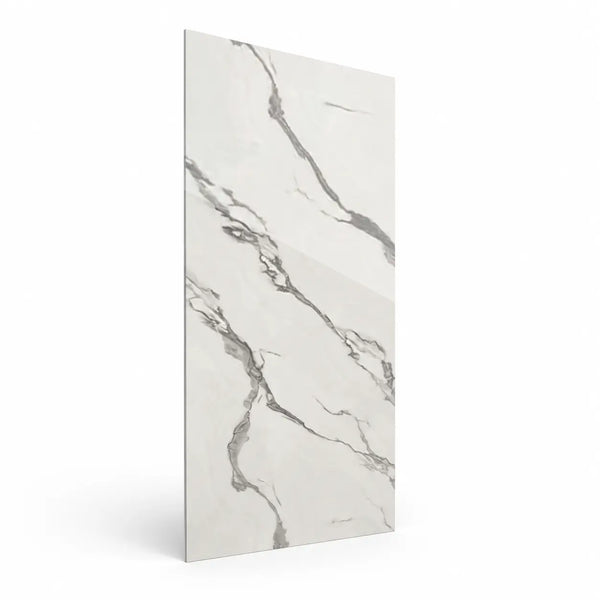
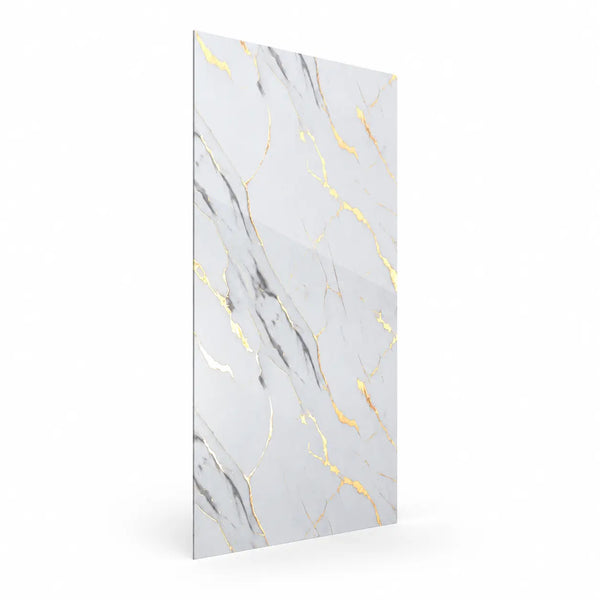
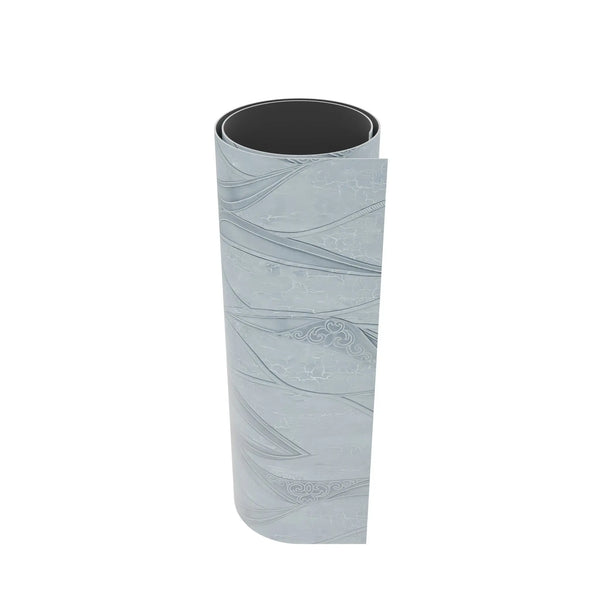
The decorative wall panel collection then allows you to check the formats actually available and connect the decor idea to the concerned wall. Depending on the project, a black marble effect adhesive film, a rigid panel or an acoustic solution do not meet the same need, even if the rendering may seem close at first glance. The most relevant approach remains to start from the wall, then choose the material that respects both style, installation and maintenance.
A well-chosen wall panel for the living room does not try to do everything. It must correct the right wall, in the right finish, with the right installation method, without complicating daily life.
MPDiscount offers decorative acoustic panels, marble and PVC wall coverings, as well as installation accessories adapted to prepare a living room project without heavy renovation. To compare available options and progress on a credible accent wall, visit MPDiscount and check the product datasheets before ordering.